
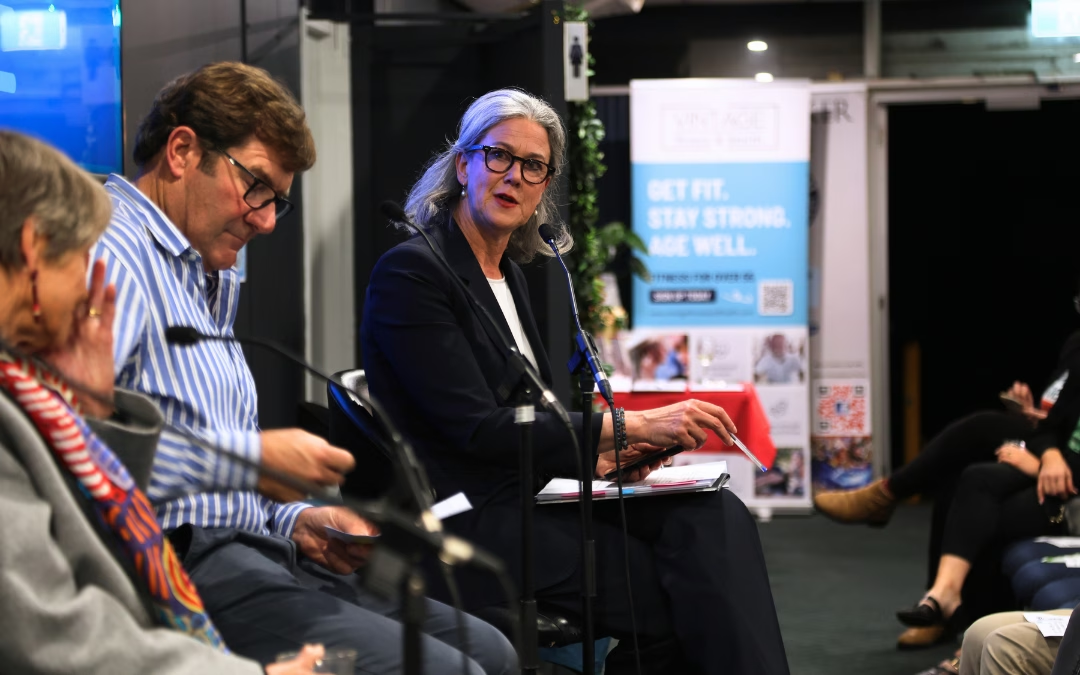
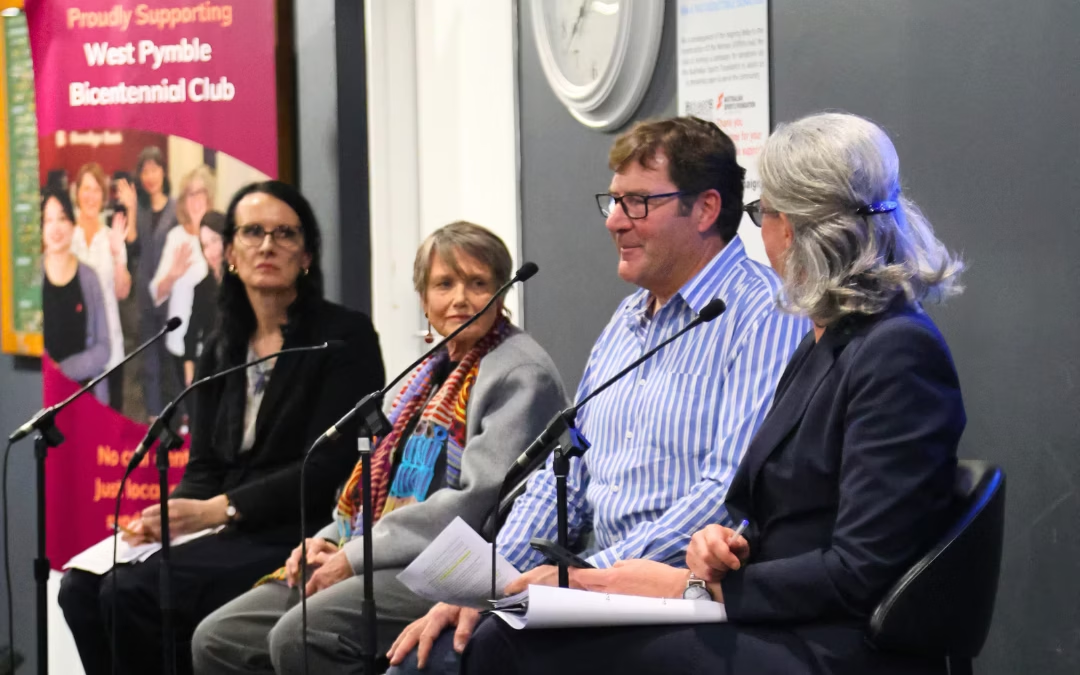
With housing affordability and high-density development front of mind across Sydney’s North Shore, federal Independent MP for Bradfield, Nicolette Boele, brought together local leaders and residents on Wednesday 2nd September for her second community housing forum, “Housing Townhall 2: Can we build it, and will they come?”
Held at the West Pymble Bicentennial Club, the free event drew a crowd of around 90 attendees – predominantly seniors – keen to hear how local and federal strategies plan to address the region’s evolving housing pressures.
In Short
- Community Forum: Federal MP Nicolette Boele hosted around 90 residents at West Pymble Bicentennial Club to discuss high-density development and local housing strategies.
- Infrastructure Concerns: Attendees raised key questions regarding guarantees for local schools, hospitals, accessible disability housing, and time limits on affordable housing schemes.
- Panel Expertise: Key speakers included Ku-ring-gai Mayor Christine Kay, urban planner John Brokhoff, and advocate Jo Karolis, though NSW State Government representation was absent.
- Policy Omissions: Discussion focused heavily on planning constraints, but omitted systemic drivers such as land rezoning and tax reform like negative gearing and stamp duty.
Joining Boele on the panel were prominent experts representing local government, policy, and community advocacy:
- Christine Kay, Mayor of Ku-ring-gai
- John Brokhoff, Former National Policy Director at the Planning Institute of Australia
- Jo Karolis, Local affordable housing advocate
Together, the panel delivered a clear, balanced, and constructive discussion spanning federal policy settings, local planning constraints, and the realities of deliverable community housing. However, the absence of a State Government representative was a noticeable gap in the room. Given NSW central role in state-level transport, school infrastructure, and planning mandates, having all three tiers of government represented would have enriched an otherwise thorough dialogue.
Since her election, Boele has made housing affordability and sustainable local development central pillars of her platform. True to that commitment, a significant portion of the evening was dedicated to hearing directly from constituents during an engaging Q&A segment.
Residents raised pointed, pragmatic questions that underscored widespread concern over rapid density increases:
- Infrastructure Guarantees: “With increased housing, what guarantees do we have that vital infrastructure will also be delivered, such as schools and hospitals?”
- Targeted Affordable Housing: “What are some ways we can build more and better affordable housing designed for people with a disability, with good access to the community?”
- Policy Longevity: “Why is new affordable housing only secured for 15 years?”
Community Action: “How can concerned voters actually get affordable housing built in their community?”
While the panelists effectively tackled topics ranging from preserving local green space and balancing neighbourhood density to securing infrastructure funding, The Post noted a striking omission in the evening’s policy debate. Despite the wide breadth of discussion, none of the speakers directly linked land release, land rezoning, and systemic tax reforms, such as negative gearing, capital gains tax concessions, or stamp duty settings, to the root causes of housing unaffordability.
Nevertheless, the town hall demonstrated a high level of civic engagement across Bradfield. Boele’s ongoing initiative to host open, grass-roots forums ensures local residents remain actively involved as the region navigates the complex realities of growth, density, and liveability.