
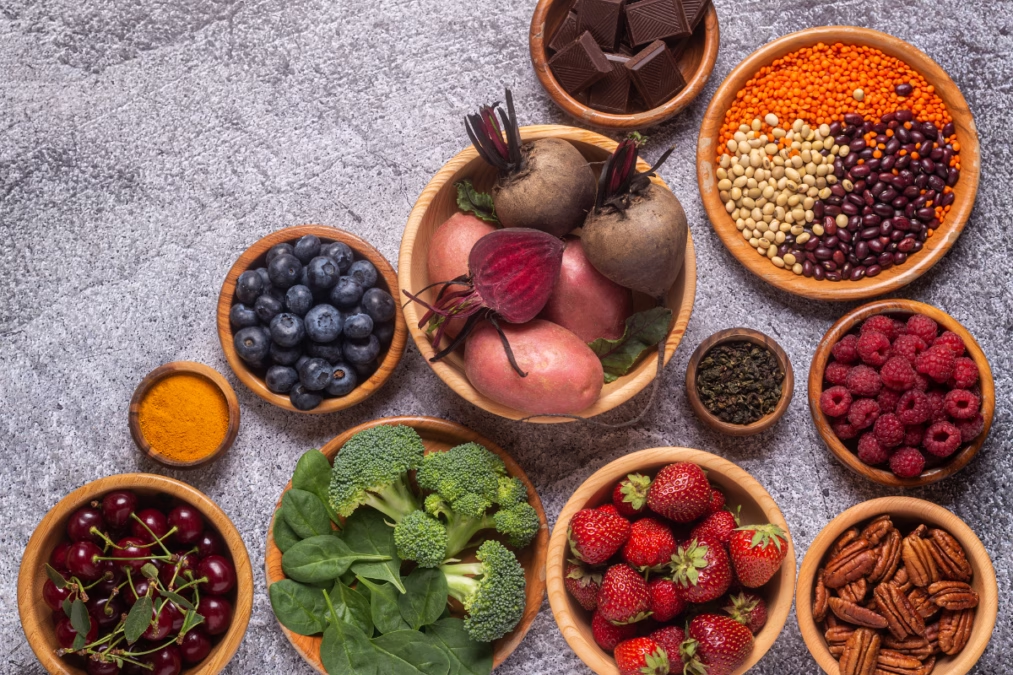
Have you ever noticed how some of the most vibrant foods in nature are deep red, purple, blue, and pink?
Think cherries, blueberries, cranberries, beetroot, and purple cabbage. These rich colours aren’t just visually appealing – they’re a sign that these foods contain beneficial plant compounds known as polyphenols.
Polyphenols are naturally occurring plant chemicals that help protect plants from environmental stress. When we eat a wide variety of polyphenol-rich foods, we’re also increasing the diversity of plant compounds in our diet. They contribute to the colour, flavour, and nutritional value of fruits and vegetables and form an important part of a varied, plant-rich eating pattern.
In Short
- Polyphenol Power: Deeply coloured foods like blueberries and purple cabbage contain beneficial plant compounds that help protect against environmental stress.
- Evening Unwind: Tart cherries are rich in anthocyanins and contain small amounts of naturally occurring melatonin to help regulate your sleep-wake cycle.
- Beetroot Benefits: Beetroot offers proven anti-inflammatory and anti-oxidant actions, supporting both heart and liver health.
- Shop Local and Organic: Flannerys Organic Neutral Bay recommends choosing spray-free berries to reduce chemical exposure while supporting organic farming practices.
Could You Benefit from More Polyphenols?
Take a moment to think about your current diet.
Do you?
-
- Eat the same foods most days?
- Struggle to fit enough fruits and vegetables into your meals?
- Rarely eat berries, cherries, beetroot, or colourful vegetables?
- Want to add more variety and plant diversity to your diet?
- Feel like your meals could use a little more colour?
If so, increasing your intake of polyphenol-rich foods may be a simple and delicious place to start.
Purple Cabbage: An Underrated Superfood
Purple cabbage is one of the most affordable and versatile polyphenol-rich vegetables available. Adding purple cabbage to salads, slaws, stir-fries, or fermented foods such as sauerkraut is an easy way to increase plant diversity on your plate.
Blueberries: Small but Mighty
Wild blueberries are among the richest sources of polyphenols found in commonly eaten fruits. Despite their small size, they provide an impressive range of plant compounds and are often recognised for their antioxidant content.
If you’re experience mental fatigue during a busy week or find yourself looking for nourishing snack options, adding blueberries to smoothies, yoghurt, porridge, or snacks is a simple way to increase dietary antioxidants through their rich polyphenol content.
Other Berries Deserve Attention Too
Strawberries, raspberries, elderberries, and cranberries all contain their own unique mix of polyphenols.
The key is variety. Different berries provide different beneficial compounds, making it worthwhile to rotate them throughout the week.
Beetroot: More Than Just a Juice Trend
Beetroot has become a favourite among health-conscious consumers, and for good reason. It has proven anti-inflammatory, anti-microbial and anti-oxidant actions, as well as being excellent for heart and liver health.
If you’re looking to bring more variety to your meals, try adding beetroot to salads, roasting it with vegetables, blending it into smoothies, or incorporating it into fresh juices.
Tart Cherries: Nature’s Evening Favourite
If you find it difficult to unwind at the end of a busy day or you’re looking to support your evening routine, tart cherry juice is a popular option. Rich in anthocyanins, the compounds responsible for their deep red colour, they also contain small amounts of naturally occurring melatonin, a hormone involved in regulating the body’s sleep-wake cycle.
Tart cherries can also help exercise recovery and post-exercise wellbeing.
Choosing Organic When You Can
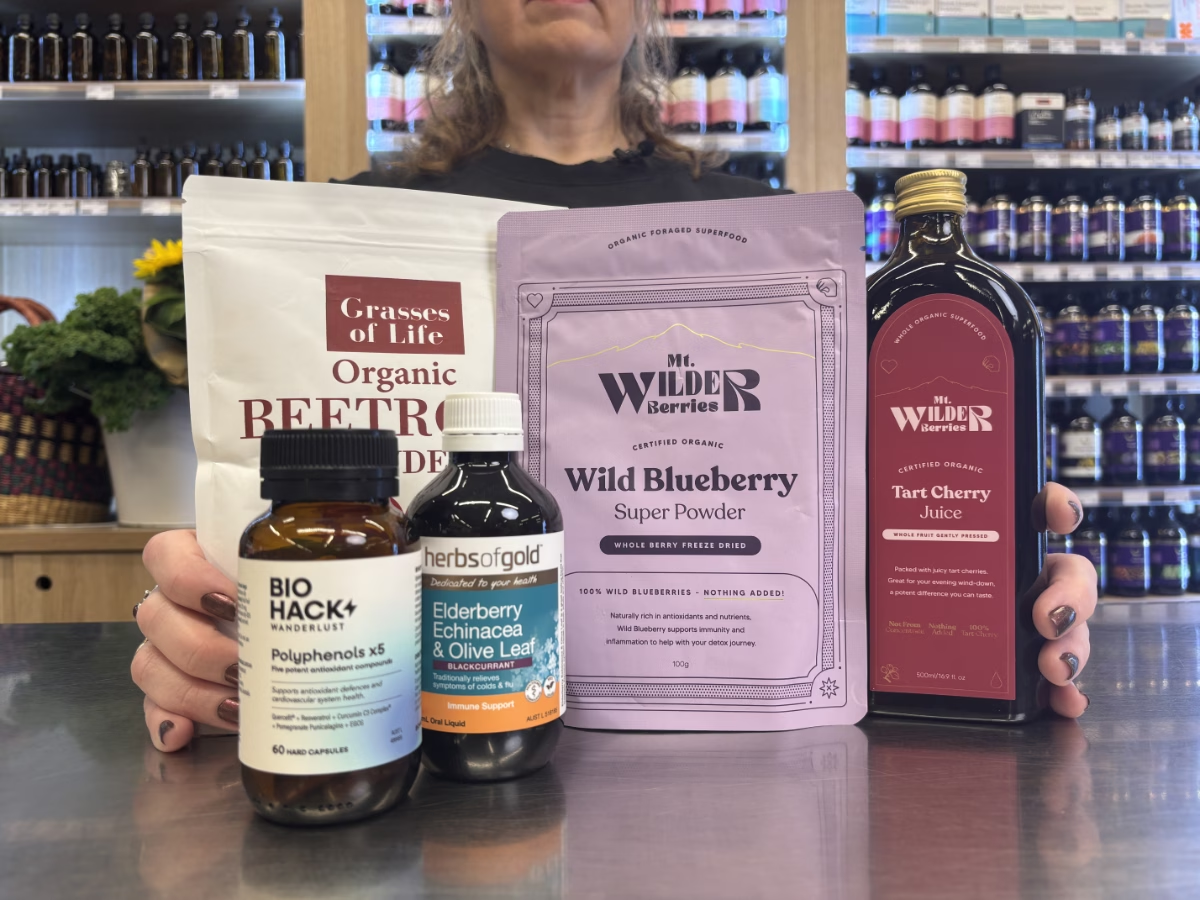
Bringing More Colour to Your Day
The simplest way to enjoy the benefits of polyphenol-rich foods is to focus on variety. Add berries to breakfast, include colourful vegetables at lunch and dinner, enjoy tart cherry or elderberry juice, and experiment with foods such as beetroot and purple cabbage throughout the week.
Rather than looking for a single “superfood,” think about creating a colourful plate filled with a diverse range of plant foods.
Nature has provided us with an incredible palette of nourishing ingredients. By eating more colour, we can bring more variety, diversity, and enjoyment to our meals – one vibrant bite at a time.
Ready to add more colour to your plate? Visit Cheree Sheldon and the team at Flannerys Organic Neutral Bay on Grosvenor Lane (free 90-minute parking available), or explore their range online[cite: 1].
Visit Flannerys Organic Online