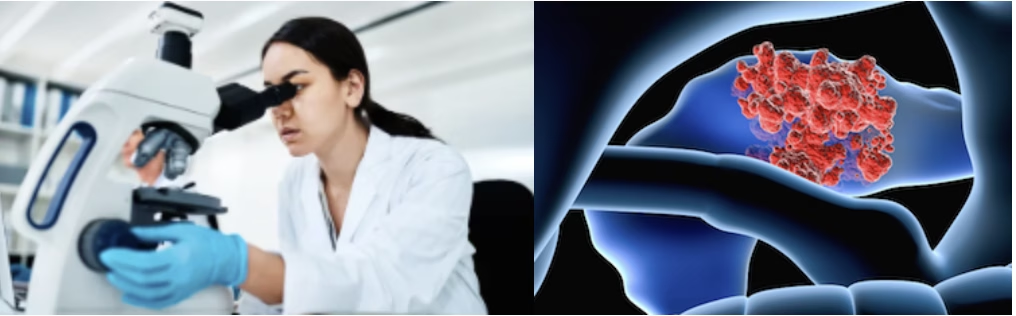
Pancreatic cancer has officially become Australia’s third-deadliest cancer, yet it remains a disease shrouded in low public awareness and delayed diagnoses.
This November, as part of World Pancreatic Cancer Month, Australian charity Pankind, headquartered locally in Manly, is urging residents across Sydney’s North Shore and beyond to learn the early warning signs of a disease that claims hundreds of lives each year.
In Short
- Third-Deadliest Cancer: Pancreatic cancer has become the third leading cause of cancer mortality in Australia, with one diagnosis every two hours.
- Sobering Survival Rates: Five-year survival remains at just 14 per cent, with nearly two-thirds of diagnosed patients succumbing within 12 months.
- Subtle Indicators: Early warning signs include persistent upper abdominal or back pain, unexplained weight loss, jaundice, and sudden-onset diabetes.
- Lighting Up Purple: Sydney landmarks will illuminate purple during World Pancreatic Cancer Month, supporting Manly charity Pankind's mission to triple survival by 2030.
The statistics surrounding pancreatic cancer are stark. One Australian is diagnosed every two hours, and nearly two-thirds of those diagnosed do not survive past 12 months.
Overall, five-year survival rates sit at just 14 per cent. Because the pancreas is located deep within the upper abdomen behind the stomach, tumours are notoriously difficult to detect in their initial stages, leading many patients to be diagnosed only after the disease has spread.
Pankind Chief Executive Officer Michelle Stewart stressed that knowing what symptoms to look for, and acting on persistent changes, can dramatically alter a patient’s prognosis.
“Pancreatic cancer cannot remain a disease people know so little about until it affects them or someone they love,” Ms Stewart said. “Recognising the warning signs, taking persistent symptoms seriously, and speaking to your GP when something doesn’t feel right can make a difference. Earlier diagnosis can mean more treatment options.”
Key warning signs to monitor include:
- Persistent abdominal or back pain
- Unexplained weight loss, loss of appetite, or nausea
- Jaundice (yellowing of the skin or eyes, dark urine, or itchy skin)
- Changes in stool (such as pale or fatty stools)
- Newly diagnosed or suddenly hard-to-manage diabetes
While these symptoms can stem from non-cancerous conditions, health leaders urge anyone experiencing persistent or unexplained changes to consult their doctor promptly.
Understanding Risk and Lighting Up Purple
Around 10 per cent of pancreatic cancer cases are linked to inherited genetic changes. While routine screening is not recommended for the general public, individuals with a strong family history may be eligible for specialist surveillance programs. Locals can assess their risk profile using the family history checker at pankind.org.au.
To mark the campaign, major landmarks across NSW, including Allianz Stadium, Central Station Clocktower, and the GPO at Sydney’s Fullerton Hotel – will glow purple throughout November. World Pancreatic Cancer Day will be observed globally on Thursday, 19 November 2026.
Pankind has already invested over $20 million into medical research, aiming to triple survival rates by 2030. Through increased local awareness and sustained research investment, the foundation hopes to ensure every Australian impacted by the disease receives a fairer chance of survival.
Assess Your Risk & Learn More
Check your family risk profile using Pankind's free online assessment tool or explore World Pancreatic Cancer Month events across Sydney.